
I am a Megadeth fan. I have been listening to their music for the best part of forty years, I saw them at their very best on the Rust in Peace tour and supporting Metallica, and I have written about them extensively. So, last Saturday, I was really excited about watching the cinema release of the Behind the Mask movie. However, this intimite look at the world’s second most important thrash band indirectly revealed much more about its leader than providing deep insight into the life, times and music of a band the fans love so much.
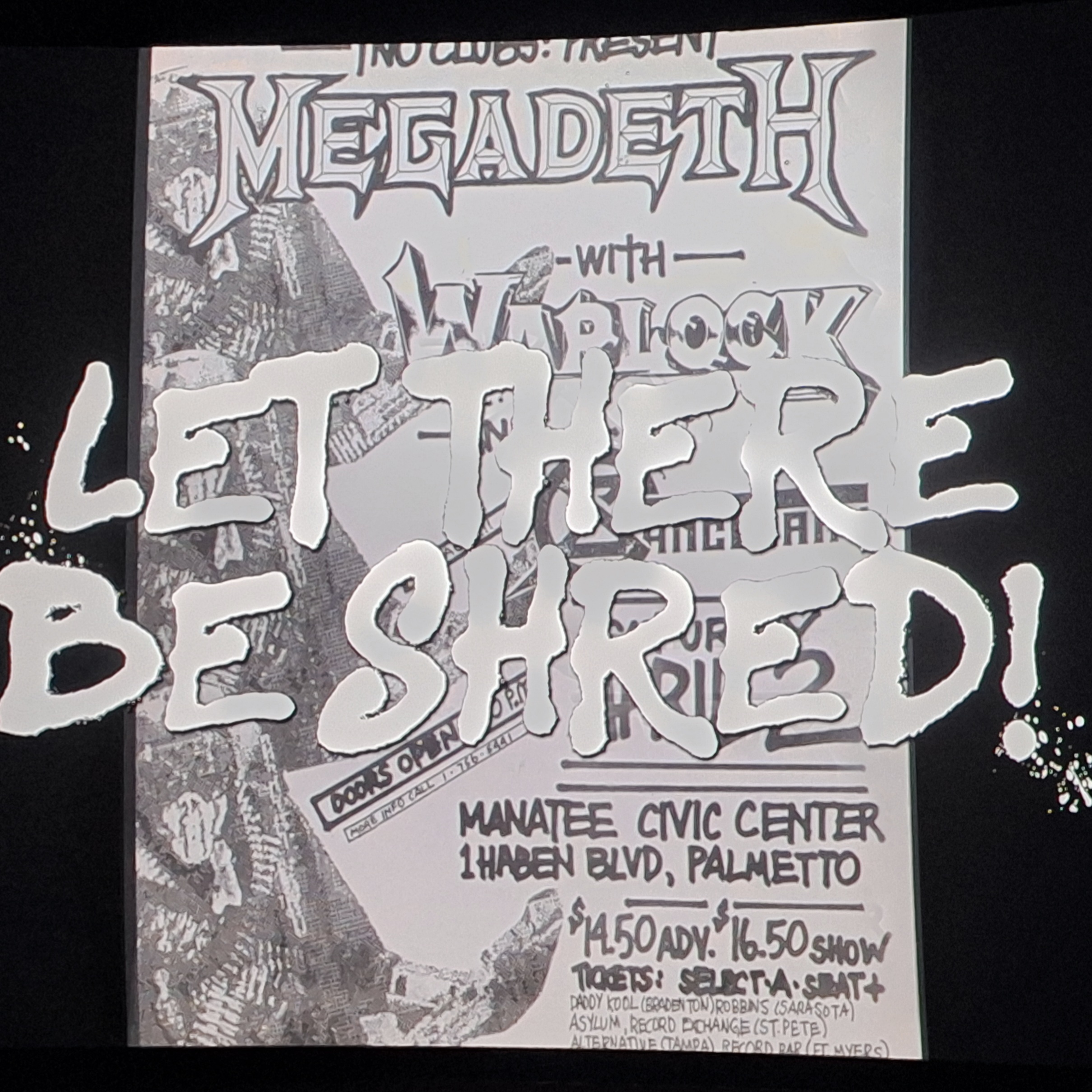
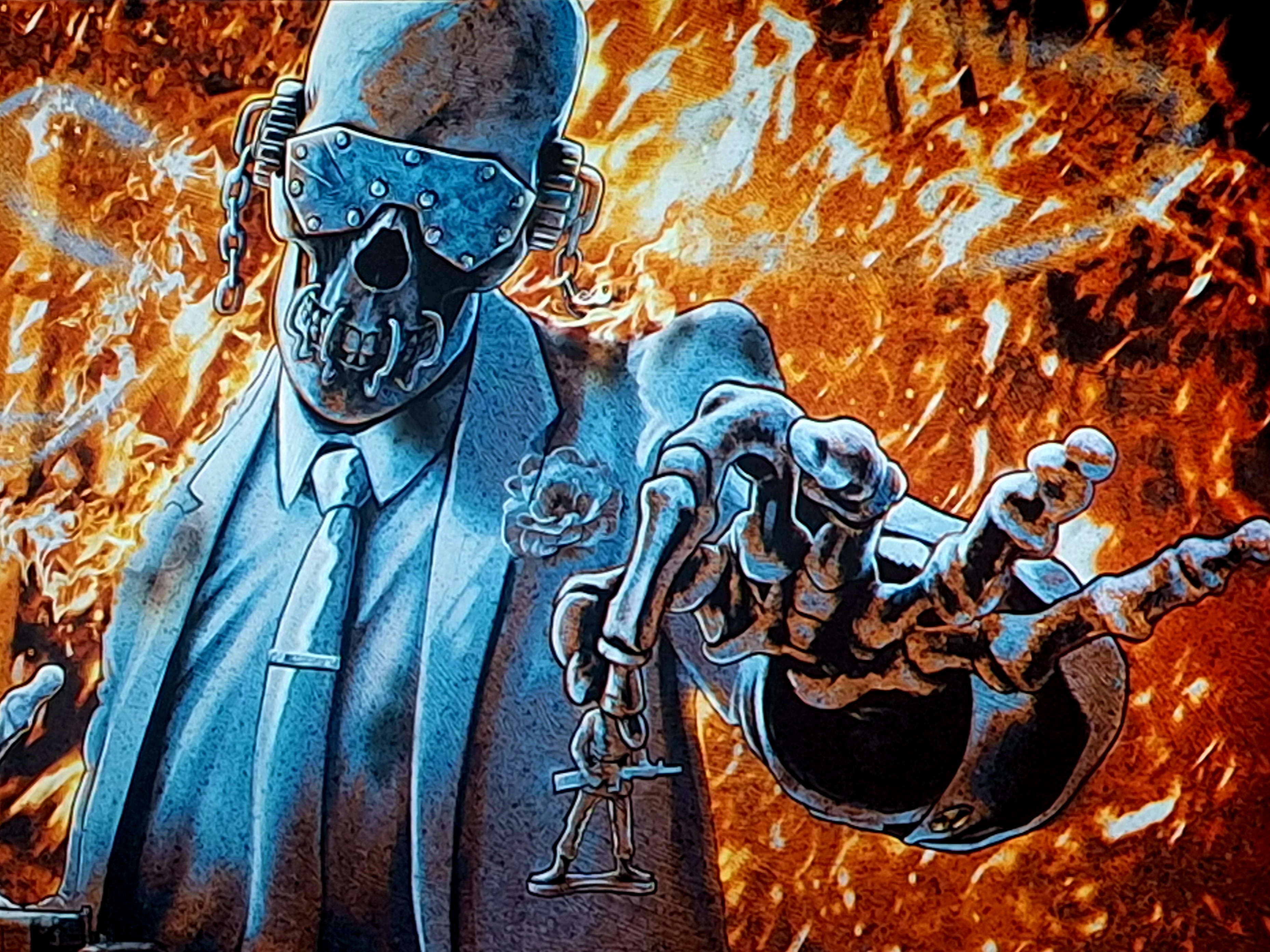
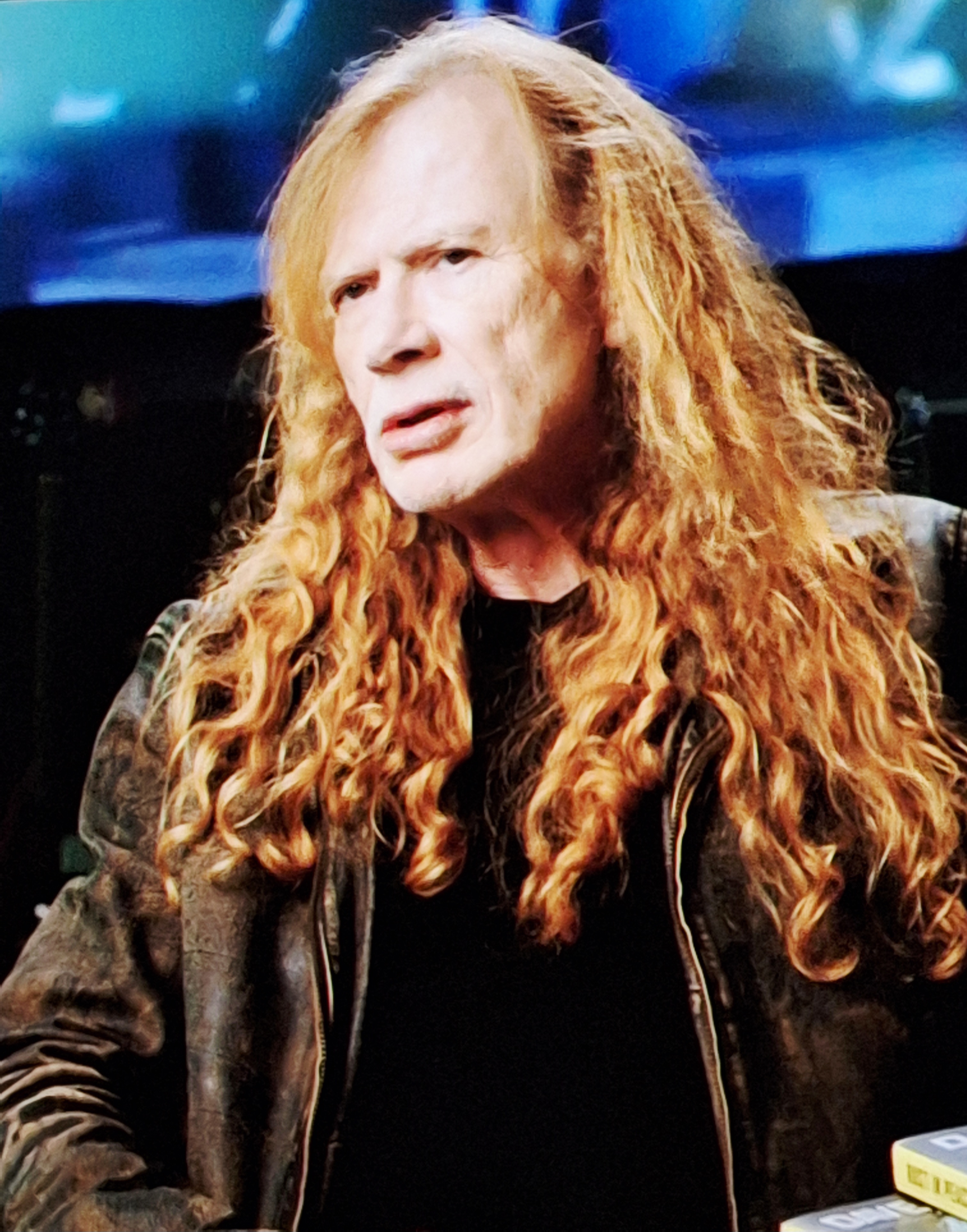
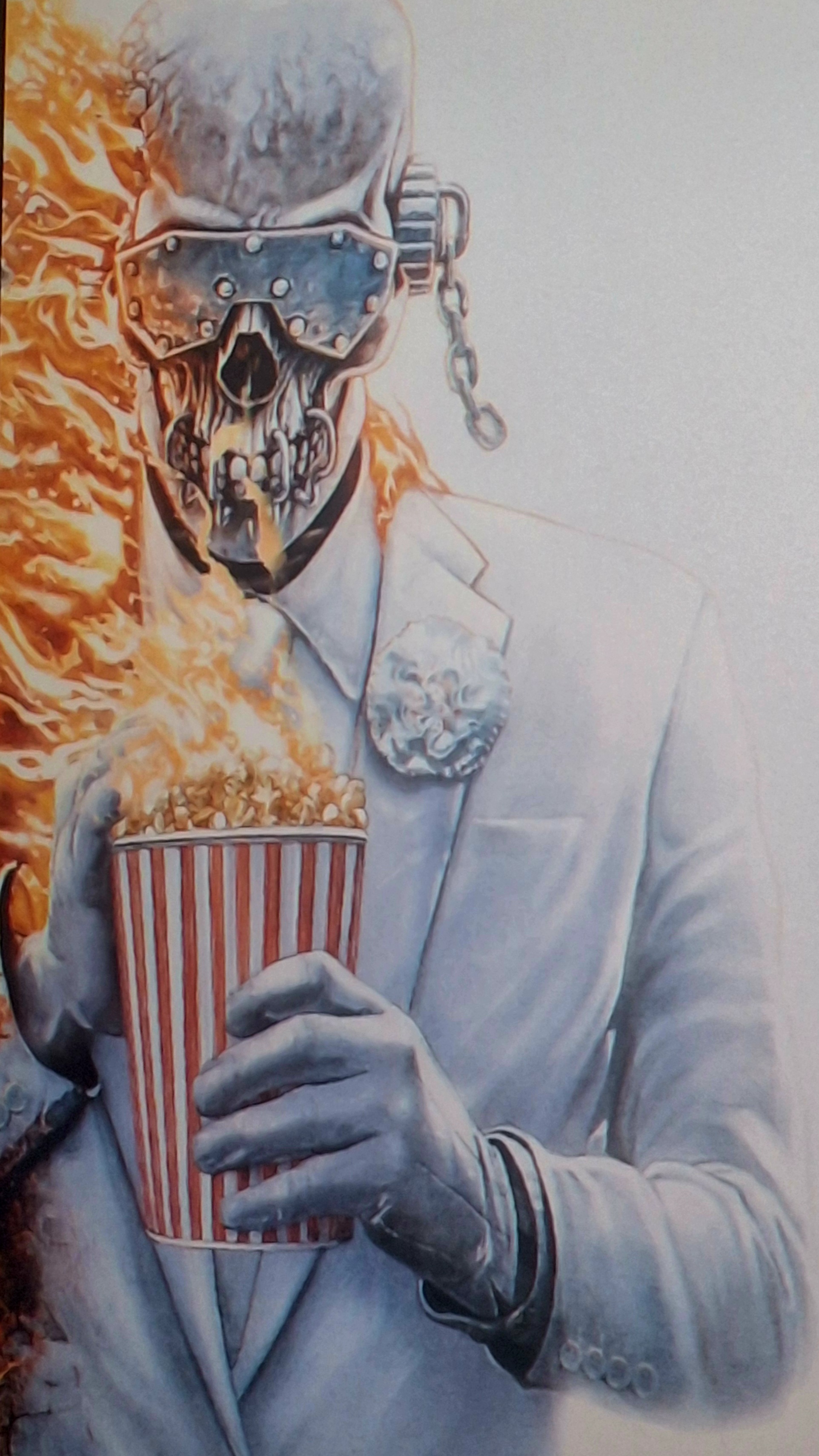
Behind the Mask largely achieves its purpose of being a listening party for the band’s final release and it has an engaging format with Dave Mustaine telling us about the new songs and providing a potted history of the band’s journey between tracks. Although the film doesn’t appear to be particularly scripted, as Dave is often on a stream of consciousness skipping blithely over important moments in the band’s career, it does appear a little contrived with the frontman sitting at a desk surrounded by Megadeth merch such as the Vic Rattlehead Funk o Pop and copies of the Rust in Peace book.
We get to hear the entire album at full power through the cinema sound system, with a series of lyric videos alongside the official releases for the ferocious Tipping Point and the punky I Don’t Care, which we discover was written in place of covering a punk tune. The new record is actually pretty damn good, some of the visuals are stunning, others less so, and gaining some insight into how the songs were made and what goes on the studio made it all worth the ticket price. There is a fabulous scene of Dave dancing in his seat during playback, hair tied back, glasses on and waving a popsicle (ice lolly) around, revealing that he is still just a kid at heart.

However, I can’t help but feel that this is one massive missed opportunity and that Dave has a lot of things he needs to work out. The three main points that he makes, besides reminding us of being a black belt (he slips it seemlessly into a story about Nick Menza becoming the drummer) and revealing the ability to predict earthquakes based on the weather, are that he really doesn’t have a problem with the guys from Metallica (no, really), he does have a problem with band members receiving collaboration fees for “being in the room” when he shows them a song, and he is the first metal guy to thank Jesus at the Grammys. All of these things get mentioned twice.
The overall impression is that Dave never got past being the new kid at school that he often was and still feels the need to try hard to impress people and that he never got over being dumped by Metallica and still feels the need to show that he has “closed the circle”. He tells us how Megadeth was the first metal band to have a website and Gene Simmons wanted one just like it. On said website, Dave was hanging out in the chatroom one night and a kid got beaten by his drunk dad but Dave asked if anyone lived nearby and managed to get someone to intervene, thus saving the kid’s relationship with his father. Then there is how songs like Darkest Hour saved people or how Train of Consequences gave a girl who had been hit by a train the will to carry on! It all seemed to unnecessarily magnify the importance of Megadave in people’s lives.
The people watching the film already know how good Megadeth is, knowing about Dave being a black-belt fighting, earthquake predicting, internet pioneer, chatroom saviour inspiration to the depressed and disabled doesn’t really add to our appreciation of their speed metal awesomeness. Rather than telling us how amazing he is, Dave, who has been praised for his honesty in the film, could have told us about his addiction issues, or how he got through cancer and a debilitating nerve condition, or how he successfully navigated the grunge era, or given us some insight into accepting slots to open for Metallica, or what it was like touring Clash of the Titans or the Big Four, or how much it meant to go multi-platinum and receive an award for Countdown to Extinction or finally receive a Grammy for Dystopia.
Instead we get a stream of consciousness about Dave’s superiority and pettiness (there is a fine for any promotor who spells Megadeth with an A) and zero ownership of anything that went wrong. Despite making it clear that it is his band and he has creative control, he basically blames Bud Prager and Marty Friedman for the Risk fiasco. At one point, there are three (classic) song titles on the screen with the writing credit below each just listing Dave Mustaine; when the fourth song appears (I think it’s Crush ‘Em), it lists Mustaine, Prager, and Friedman as the writers as if to say “ya see what happens when other people get involved”. In fact, he is pretty dismissive of Friedman’s contribution to the band, saying that his solos for Rust in Peace were based on Chris Poland’s demos and that once Marty had said he preferred The Doctor is Calling after Dave slowed it down he knew that was the end.
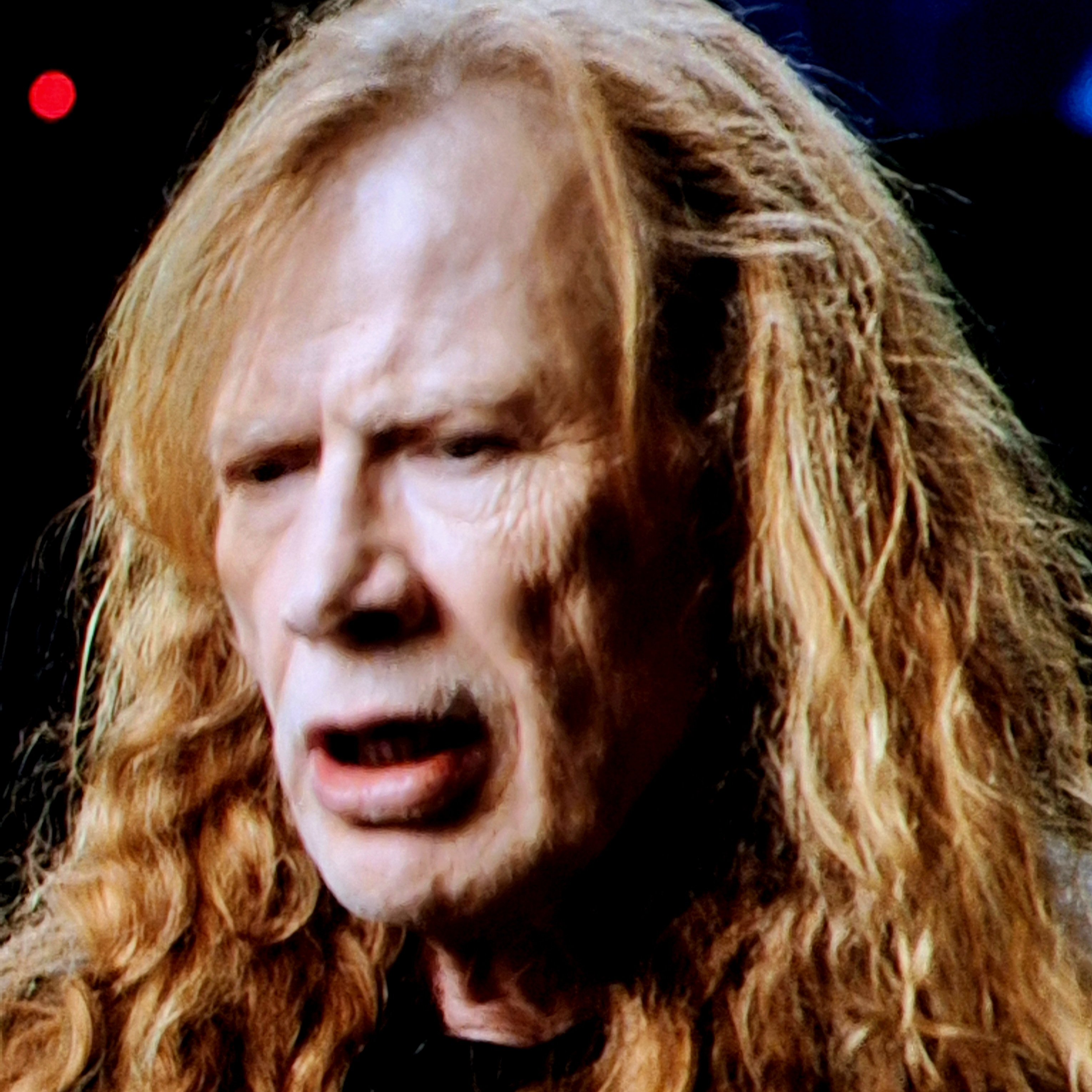
Then there is the Metallica issue. The last song that gets played is Ride the Lightning. Fair enough, it is the last song on the record and it does take us back to the roots of Megadeth. But why allow your success to always come back to you being dumped out of Metallica? What about everything Megadeth achieved and all the great records you made? Some poignant music and a montage of photos from 1983 with James and Lars is not what defines the Megadeth legacy. If Dave genuinely has no problem with those guys, why keep bringing them up? Also, there is more of the distancing himself from anything that went wrong as he downplays the whole thing by saying that they were all young and alcoholic and that things got said, preferring to make it a collective scenario. It’s true that how Dave got fired was pretty shitty, but as to why he got fired, a lot of that is on him.
Anyway, I digress. Behind the Mask could have been an incredible experience for Megadeth’s family of fans – it has its moments with the new songs really standing up and the insight into making an album – but, unfortunately, Dave kinda rains on the parade a little with his discourse, leaving a sense of disappointment and a little sadness at his approach to life. Nevertheless, I will always love the music of Megadeth the band and remember that sometimes we need to separate the artist from their output.
The Definitive Megadeth Top Ten: https://hardpressed.com.br/2026/01/23/the-definitive-megadeth-top-10-2/
 Hard Pressed