Call To The Void – The Power of Intention EP
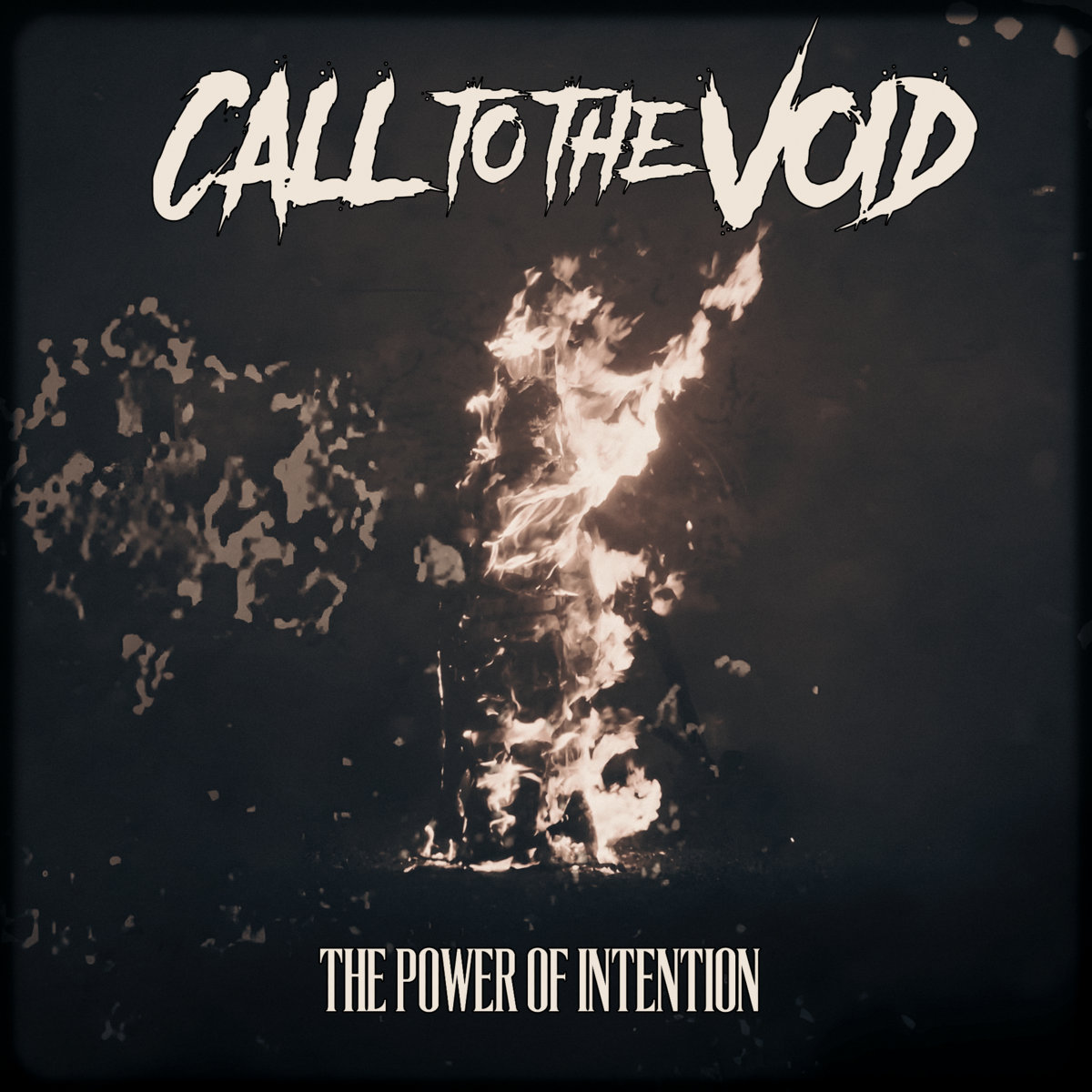
Last Friday, The Power of Intention, the excellent debut EP from Call To The Void, finally dropped. Gathering previous singles dating back to 2023 and a smattering of new material, the London-based four piece have banged out a quality slice of alternative rock that promises at a bright future. Although their influences are pretty evident they manage to carve out their own sound and they have clearly refelcted pretty deeply on the message they deliver.

The EP kicks off with the atmospheric incantation of The Power, highlighting vocalist Jack Osborne’s belief that anything in life is possible if you apply belief, intention and dedication, before latest single Resurgence muscles in with a hard-rocking riff and a versatile vocal ranging from a semi-spoken vibe to a ballsy scream. From the outset, there is a clear My Ruin influence, yet they retain their own identity as goth rock influences drift through the arrangement in the second half of the song.

Now that The Power of Intention is out, there is clearly a strong connection between CTTV and My Ruin beyond musical influence, with Mick Murphy mastering the record, Tairrie B. Murphy making a guest appearance and contributing to the band’s aesthetic (drawing my own conclusions here!), and Osborne having recently featured on the classy True Allies from My Ruin‘s Declaration of Resistance. Nevertheless, the friendship with the Murphys is a positive addition and complements the talent and hard work on display here.

As the EP progresses, it is clear that there is much more going on with some seriously dark undercurrents and a strong nineties vibe in the background – they cite Placebo, Soft Play, and Type O Negative among their influences. Early single Uncontrollable in particular conjures more than a hint of a goth-rock vibe, delivering a measured mid-paced flurry that keeps the musical melting pot bubbling nicely before stand-out track Viper’s Venom steals the show. The Placebo influence is evident in the melodic intro but once the heavy riff kicks in a loud-quiet-loud vibe takes it elsewhere, providing a backdrop for Jack’s most accomplished vocal on the record. There is deep emotion to his voice and the song delivers a killer hook that really slays and, once the tempo change takes it up a notch, John McGlade’s guitar lines lead us towards the stark a’capella conclusion – masterful.

After the fairly disposable but distinctly likeable ode to getting high that is Blow, we get CTTV’s cover of the Edwyn Collins classic A Girl Like You, featuring a cameo from the marvellous Tairrie B., whose influence runs right through the number. It has to be said though, it is freaking awesome. They stay pretty true to the original, but the heavier arrangement and the understated rap from Mrs Murphy take it to another level that absolutely rocks, with Jack once again showing that he has the chops to sing anything.

The band’s name comes from the French term L’appel Du Vide, describing the inexplicable urge to jump when faced with a fearful height, which they encapsulate on the track of the same name. Again, Osborne’s vocals are sublime as he switches easily between styles as they track drives along on the unrelenting momentum of McGlade’s solid riffing interspersed with his signature meanderings. Once more, it is an effective combination, hard rocking, memorable and sure to work a crowd into a sweat in the live arena. The EP closes out with the atmospheric ballad Alive – the first half is bare to the bone with a soaring vocal and guitar accompaniment before the rest of the band kick in for a visceral finale – quality.

All in all, this is a fine debut from the Londoners. Osborne is a charismatic frontman with an impressive vocal range and musically speaking the band is pretty damn faultless. Despite the undercurrent of influences, they don’t actually sound like anyone else, they forge their own identity with some catchy songs and plenty to rock out to. At eight, well seven and a bit, tracks and weighing in at a hefty 32 minutes, the EP is good value and well worth checking out.

9/10

https://calltothevoid.bandcamp.com/album/the-power-of-intention

Postcards From Glasgow

When people think of vibrant music scenes in the UK, London aside, the focus inevitably falls on Manchester and other big English cities like Liverpool, Birmingham and Sheffield. However, back at the beginning of the 1980s a post punk movement sprang up around Alan Horne, Orange Juice and Postcard Records that would have far reaching impact, the echoes of which continue to resonate in the industry today.

The Glasgow punk scene, graced by the likes of The Sick and The Vomit, was late burgeoning and, as a result, ugly and violent. So when Alan Horne the editor of fanzine ‘Swankers’, met Edwyn Collins to strike up an alliance in the form of Postcard Records and what would later become Orange Juice, their intentions couldn’t have been further removed. Collins, and bandmates Steven Daly and James Kirk, were united by a love of way more sophisticated music like Bowie and Velvet Underground; so when The Clash rolled into town with The Slits, The Buzzcocks and Subway Sect in tow, it was the intricate guitar pop anchoring the punk ethic of the Television influenced Subways that caught the eye.

Having settled on a sound that was the very antithesis of the raging punk that preceded them, Orange Juice put out their first single, ‘Falling and Laughing, on Postcard in February 1980 and a legacy was born. A flurry of releases followed from Josef K, who originated from the similarly vibrant Edinburgh scene, The Go-Betweens and the Roddy Frame vehicle, Aztec Camera.

Roddy’s prodigious talent would, however, soon depart in favour of the London based Rough Trade, with whom Horne’s relationship was one of mistrust and antagonism after owner Geoff Travis, had failed to see the attraction in Orange Juice’s second single ‘Blue Boy’. This friction with the store/label/distributor, and more specifically Geoff, was symptomatic of Alan’s confrontational personality, as well as his laissez-faire attitude to business, and by the summer of 1981, just over a year since the first release, a series of bad decisions had caused the fledgling label to implode.

Nevertheless, in his short tenure at the helm of a label, Horne had succeeded in providing the spark for “The Sound of Young Scotland”, a sound born from the guitar based pop melodies of Orange Juice that would inspire a new generation of talent to follow suit. Altered Images, The Bluebells, Paul Quinn vehicles like The Jazzateers and Bourgie Bourgie, as well as Del Amitri and The Lone Wolves were all making waves by the time Horne had decided to join his Orange Juice friends in the capital.

Now in charge of Swamplands, for major label London Records, little changed for Alan, releasing very little and making more enemies than friends, yet his influence continued to pervade. Orange Juice, now signed to Polydor, finally crashed the top 10 in 1983 with the classic ‘Rip It Up, while James Kirk and Edwin Collins also got together with Alan’s starlet, Paul Quinn, to record a sublime version of Velvet Underground‘s ‘Pale Blue Eyes’, which was one of the few releases on Swamplands.

In the meantime, more sophisticated guitar pop was coming out of the Glasgow scene in the form of Lloyd Cole and the Commotions, whose debut single ‘Perfect Skin’ would break the top forty, as would most of their future singles, embellishing their name indelibly on the 1980s.

Although Horne’s spell at Swamplands would ultimately prove unsuccessful, the movement inspired by himself and Orange Juice would continue to gather pace with the likes of
Strawberry Switchblade, The Pastels and Nick Currie, of The Happy Family and later Momus, all having varying degrees of success. More importantly, the jangly guitars and intelligent heartfelt lyrics that had defined the scene provided the roots for what was to come; the feedback fueled indie pop of The Jesus and Mary Chain, who had a string of top forty singles and albums, and the massive Primal Scream, formed by the charismatic Bobby Gillespie, who had also played drums on the J&MC debut ‘Psychocandy’.

The rich strain of talent that was uncovered around Glasgow as a result of Horne and Collins’ influence made up a substantial part of the landscape of popular music during the 1980s. The Postcard/Orange Juice combination had provided not only the template, but the impetus behind multiple bands to appear in the 1980s and beyond, spawning a succession of successful and influential records. The impact of that music on the generation of listeners and subsequent generations of musicians cannot be underestimated as it continues to resonate in the music of today; one listen to the likes of Tame Impala or Wild Nothing and you can hear it; sophisticated lyrics, intricate guitar melodies underpinned by synthesizers and a slightly downbeat vibe, it’s all there; kudos to Alan, Edwyn and the “Sound of Young Scotland”.