Memorabilia
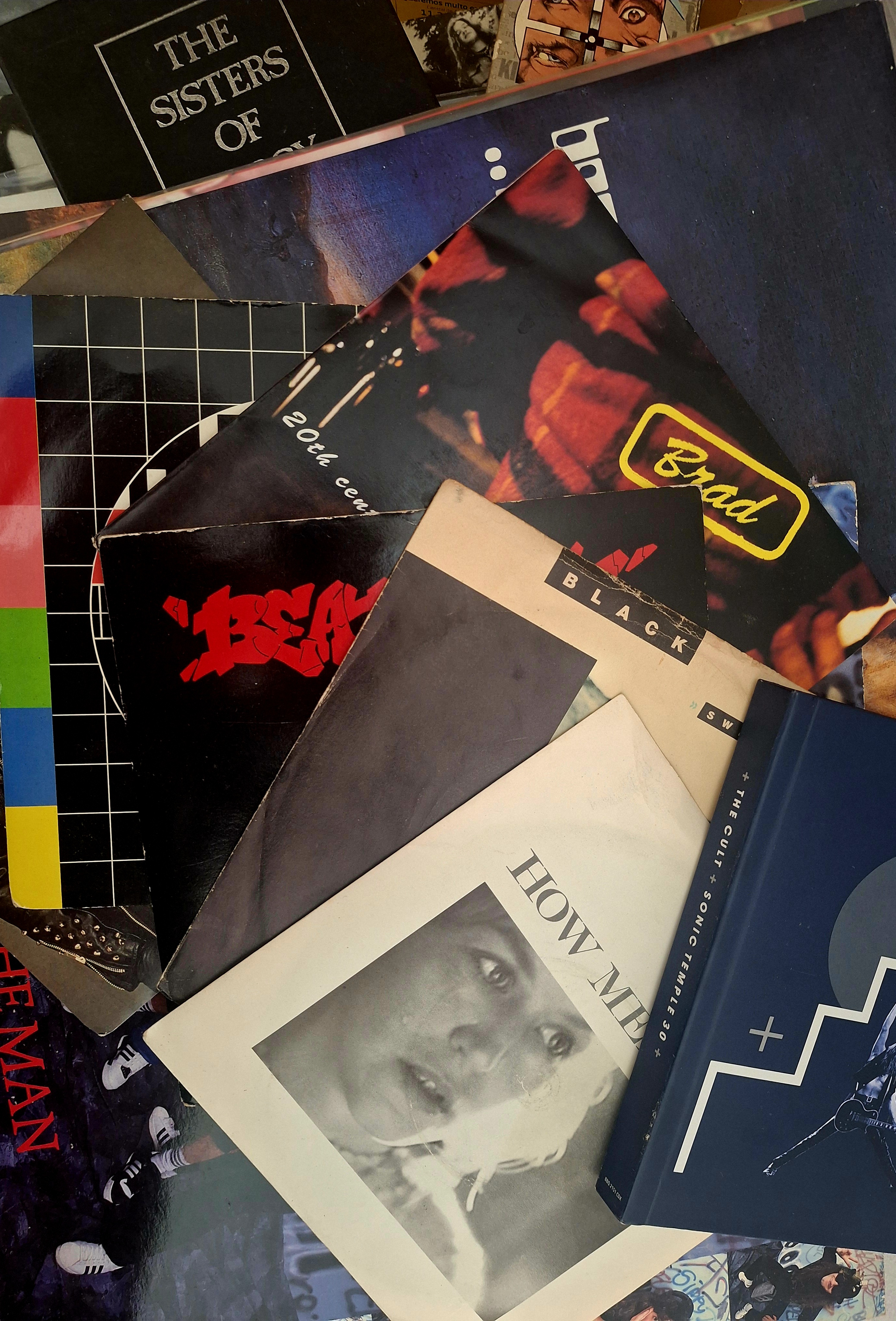
Music became so easily available in the early 2000s, first with file sharing and illegal downloads, then with streaming services and platforms like YouTube, that the recorded product was essentially devalued. With the internet, we no longer had to pay for music and the entire industry shifted towards what we see today – paying through the nose for the concert experience with the best view going to the highest bidder. The release of a single or listening to an entire album lost their importance and the rich experience of actually buying a product by your favourite artist literally faded into history.
While the shift away from the physical product has its advantages, like being able to access whatever we want, whenever we want, the digital experience lacks something. And while I am an avid user of Spotify and love putting playlists together, I find it a little sad that the excitement of waiting for the new album or single from your favourite band to hit the shops in a wide variety of formats has gone. It wasn’t necessarily about the record itself, it was the anticipation of having it in your hands and then, in the case of singles, there was the added excitement of waiting for its chart position on Sunday night (as we did in the UK). If you were lucky, it might then get a performance or a video on Top of the Pops the following Thursday or crop up on the Chart Show on Saturday morning.
For the collectors among us, there was also the unadulterated joy of stumbling across a hidden gem while flicking through the racks of Virgin, Tower, HMV, WH Smith’s or Our Price. Not to mention the second-hand record stores that provided a sensory experience on a whole other level, from the sounds of obscure post punk, through the smells of stale cigarette smoke mixed with incense, to the feel of the records themselves. I enjoyed many such adventures in my teenage years, trading in LPs I’d grown out of for semi-new, cut price offerings at stores like Henry’s or Weasels (LPs) and Ferrets (singles) down near the Joiners Arms in Southampton. Later I was introduced to Sister Ray’s in SoHo and made the pilgrimage to the mecca that was Beano’s in Croydon. Good times.
Although vinyl is making something of a comeback and record fairs are much more common nowadays (is this a backlash against the digital?), the prices are now astronomical and it is more of a collectors market. There are still entire generations that will miss out on slipping a pristine black vinyl from its sleeve, hearing the crackle as the needle drops and listening to the A side, be it a single or an LP (no shuffling no skipping), before flipping the disc over and doing it all again on the B side, all while reading the lyrics on the inner sleeve of the album.
There’s so much of the record owning experience that younger generations will never know: picture discs, gatefold sleeves, numbered limited editions, Parental Advisory stickers, the extended remix on the 12 inch single with the unreleased live tracks on the B side, the radio edit, the poster bag, the double A side, the song that was only available on the flip side of the 7 inch, the occasional 10 inch, box sets, and, of course, the stunning array of album cover art that is so much better in the flesh. And that’s just vinyl! CDs often came as special editions, had extensive liner notes from the band, or hidden tracks. Even cassette singles had their charm.
So, when I made the permanent move to Brazil back in 2002 (I flew on the day of the England v Brazil World Cup quarter final), the one thing I refused to leave behind, bin, or sell was my music collection. As such, I slipped piles of CDs into my luggage and had my record collection and any memorabilia of sentimental value shipped over – do you remember actual concert tickets and concert programmes? A lot of the items remained in storage for a very long time and have only recently seen the light of day – new house, new office etc – but I thought it might be interesting to share some of those items and the stories behind them over the coming weeks in a loving lookback to a time when music as a product had value.
 Hard Pressed