Metallica and The Thing That Should Not Be
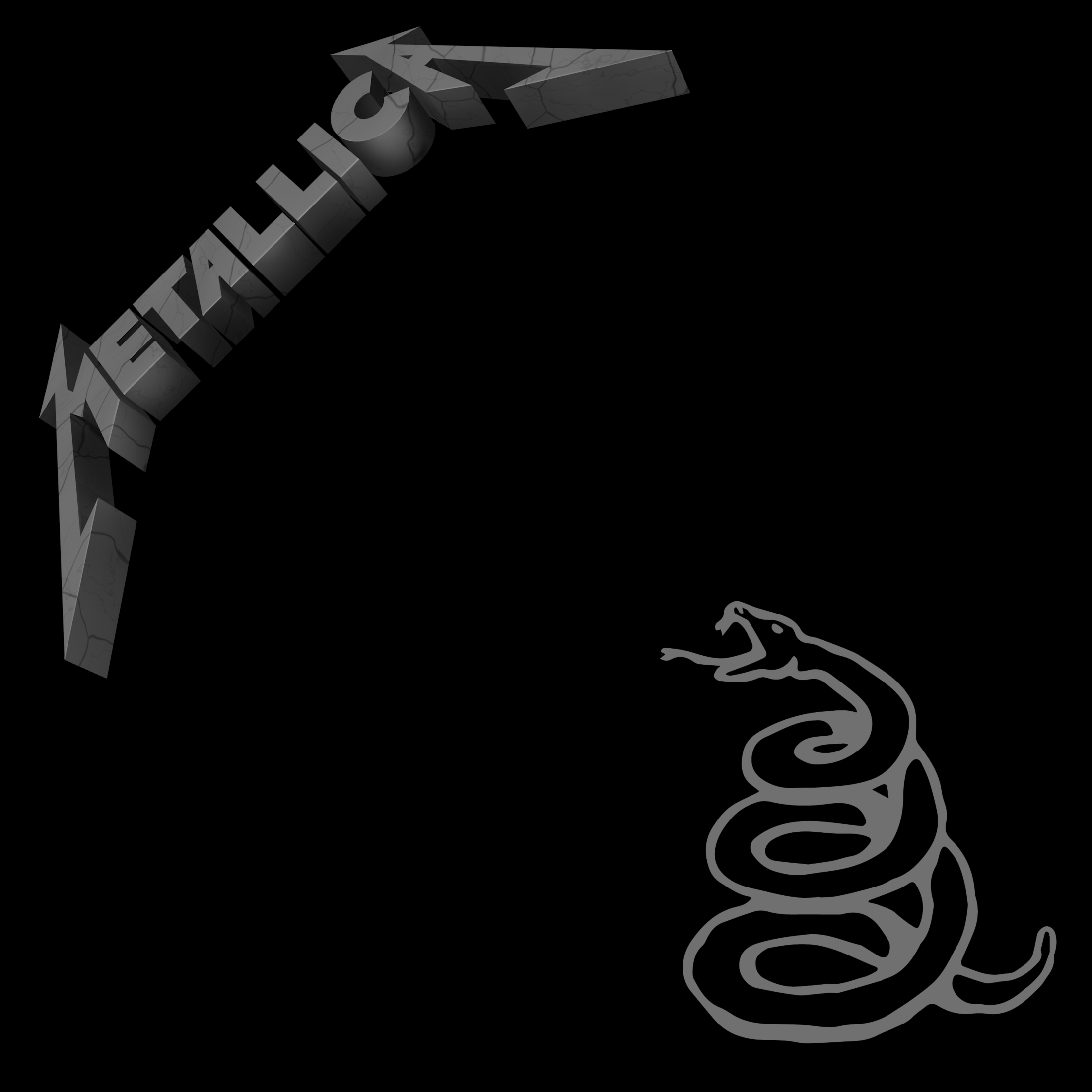
Metallica´s Black Album was a brave departure from the winning formula thrash of the first four records and resulted in stratospheric sales in excess of 30 million, making it one of the most important records in the history of rock. It includes some of their finest songs with the likes of Enter Sandman, Sad But True and The Unforgiven, and took their sound to a whole new level, catapulting the band to a status in the music industry few can hope to achieve. So, why have I never embraced it like the previous records?
Like so much of the music that I came to love in the eighties, I first heard Metallica while listening to the Friday Rock Show on BBC Radio 1. It wasn’t actually one of their best tunes, but with …And Justice For All set to drop that week, Tommy Vance played Eye of the Beholder and hooked me once again. I soon fell for all things Metallica and the Justice album became a staple of my teenage years and my gateway into their back catalogue. Although like many of their fans, it is the first four albums (+ Garage Days) that define Metallica for me, it was this period from Justice to the Black Album that really rocked my world – I bought the albums, I spent a shit ton on Live Shit: Binge & Purge; I managed to get The Good, The Bad & The Live: The 6½ Year Anniversary 12″ Collection; and even a US edition 7″ of One – I remember being excited to see the video on TOTP or the Chart Show. I also had the Year and a Half in the Life of Metallica videos on VHS. I could not get enough and it all culminated in seeing them at Donington Monsters of Rock in 1991 playing second fiddle to AC/DC.
However, there was something about the Black Album that just didn’t sit well with me. Sure, I loved Sad But True, it was heavy as fuck, and The Unforgiven was a masterpiece of song craft, so I didn’t feel like Metallica had sold out. I mean, it was obvious to all that they were moving forwards commercially and they were proactive in doing so, with James getting singing lessons, Kirk being taught by Joe Satriani, and hiring a more mainstream producer big enough to challenge the band to do better in Bob Rock. The result was a slicker sound and next-level Metallica – they were experimenting creatively and developing as artists – but that wasn’t the issue for me. It was more that some of the songs left me cold and, as I had the vinyl version, the record had a disjointed feel as four blocks of three songs. It was only years later, while reviewing Hardwired (https://hardpressed.com.br/2016/11/22/metallica-hardwired-to-self-destruct-album-review/) that I realized what the problem was – “their lack of capacity to self edit has made for an album with excess baggage“.
Metallica has rarely employed a philosophy of less is more. They have never been a band to give their songs space as, even today, according to Rob Trujillo: “We have more riffs than we know what to do with“. It seems as if they come from a perspective of building songs around the riffs, so the impression is that it becomes more about fitting a song to a riff, or multiple riffs, rather than fitting a riff to a song. Obviously, this mostly works for Metallica and they do, apparently, discard much more than they use, but there are clearly moments where the resulting song is just not that great, which is also not a big deal – all bands have filler. However, in my humble opinion, as Metallica’s bar got set so much higher than most, for the Black Album to be the all conquering record it is lauded to be, a few of those songs could have been saved for b-sides as they are simply not adding anything to the record as a whole.
Given the gargantuan success they have achieved over the last forty plus years, James, Lars and co obviously know what they are doing, but the fact that they rarely play live some of the songs from the album says a lot. I mean, the three tracks that I would drop – Holier Than Thou (nice riffs but vocally and lyrically poor), Don’t Tread on Me (awful), and Struggle Within (meh) – have amassed a grand total of 150 live performances between them. There are songs from 72 Seasons that they have played more often than the latter two. I would, however, keep My Friend of Misery for the atmospheric texture, the bass line, and how it fits the vibe better, even though it is another song with only 20 live outings.
I am not trying to say that I know better than Metallica, but as a massive fan, I felt sure that a bit of editing could make for a more enjoyable experience. So, I have reworked The Black Album in a Spotify playlist, cutting the three offending songs listed above and rejigging the running order for a more satisfying listen. I have kept what works with the big hitters staying in more or less the same position, but, for me, the second half now flows much better and doesn’t find me skipping to Nothing Else Matters before I switch off. Have a listen and see what you think.
 Hard Pressed